
Lula secures Brazil's Presidential runoff as Bolsonaro challenges voting hours
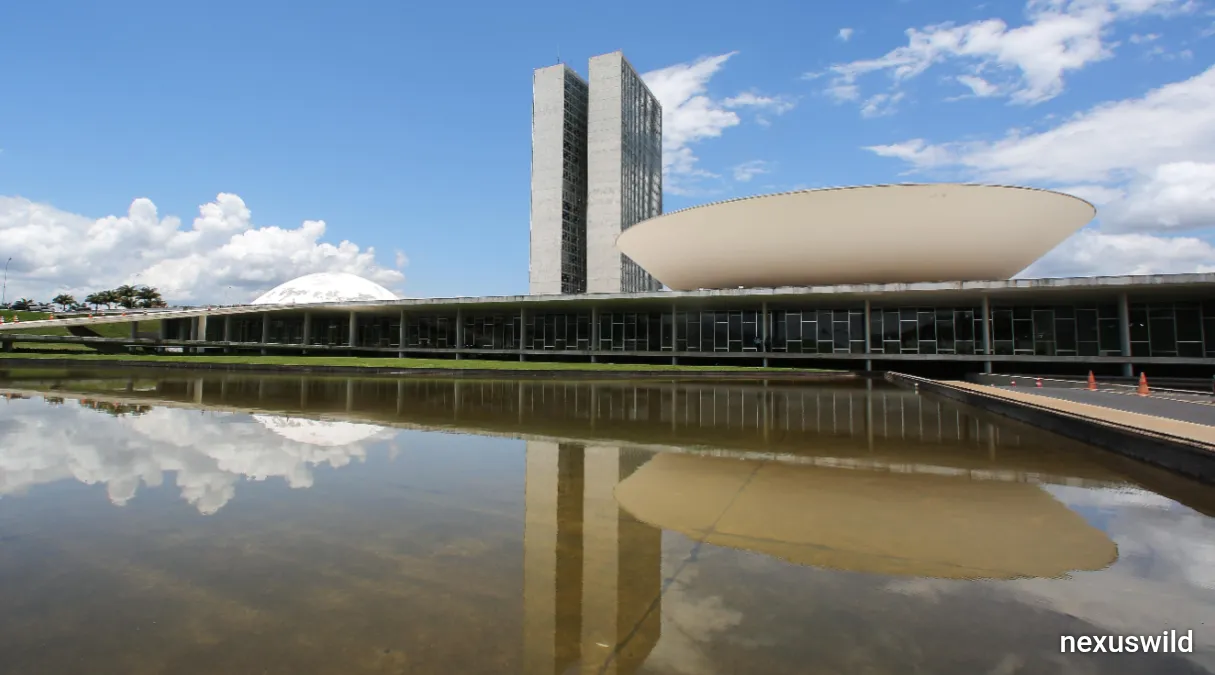
On October 25, the Superior Electoral Court in Brazil ruled Brazil's President Luiz Inácio Lula da Silva had prevailed in the nation's presidential runoff against Senator Flávio Bolsonaro, in a few close calls. The outcome will give Lula his fourth fourth-term as leader of Latin America's biggest economy, without a break.
The final count in the court showed that Lula got 64,256,232 votes (51.79% of the valid votes). Bolsonaro received 59,826,041 votes, or 48.21%. There were 4,430,191 more votes in favor than against.
A result that ends a highly competitive campaign and leaves Brazil with the dilemma of leading a country that is divided deeply by political opinion and has to deal with a challenge from the loser.
Electoral Authorities declare the Results.Electoral Authorities declare the Results.
In Brazil federal election is managed by the Superior Electoral Court (TSE, in Portuguese). It said in its statement that Lula was declared the victor following the second round count.
The election came after a first round on Oct. 4 in which Bolsonaro ended up ahead of Lula, but neither candidate won a majority of valid votes needed to win outright. The two went on to the October 25 runoff.
The result of the second round was the opposite. The votes were counted, and Lula won narrowly, with more valid ballots than anyone else. According to reports of the election, it was the first time in the modern era of Brazil's two-round presidential systems that a President-elect has won a runoff after a second-place vote in the first round.
The final election process is still underway, but the result has been announced by the TSE. Reporting should then distinguish the court's announced result from the completion of each and every subsequent procedural step.
Bolsonaro Disputes the Voting-Hour Extension
The election also has raised an issue of polling hours. In a bid to protect his candidacy, Flávio Bolsonaro rejected the results and also questioned the right of some polling stations to allow voters to vote longer than the scheduled time.
A Supreme Court justice extended the voting two hours after requests from both campaigns due to transportation issues and bad weather, AP reported. The announcement at some polling stations was delayed, leaving confusion as the result came in, including some polling stations which had already closed prior to the information.
Bolsonaro said that it was unprecedented and that the result should be overturned. Such assertions are his own in this controversy and are not per se proof of the invalidity of the election result.
The Electoral authorities declared Lula as the winner based on the completed count. A formal challenge would have to be made based on the evidence and the relevant legal procedures. In a close call election, allegations rather than verified findings concerning administration are a distinction that can make a huge difference.
A Divided Country, Remaining in the Countryside.
The narrow margin is indicative of Brazil's polarized political environment. Traditionally, the Northeast is a bastion of Lula's Workers' Party because it attracts many lower income voters and communities. Bolsonaro's campaign resonated with voters who were conservative and who stressed public security, reduced taxes and a new course for government.
The runoff also came after years of political tension over the Bolsonaro clan and Lula's re-election in 2023. The campaign raised a debate around issues of cost of living, corruption, public security, welfare policy, environmental protection and Brazil's relationship with the United States.
Those divisions aren't removed from the result. Lula must engage a Congress that is still under conservative control, and thus, the legislative process will be key to the implementation of his plans in the areas of spending, taxes, social programmes and regulation.
The next big question is how the administration plans to turn its policy promises into bills and the budget. The fiscal policy outlook, interest rates and investment potential of Brazil will continue to be key factors for the business and the markets.
Trade and Environmental Policy in Focus
Brazil is a key exporter of agricultural products and minerals and as such, policy measures have impacts on global food markets, industrial supply chains and international climate discussions.
Lula has championed the cause of protecting the environment and reducing deforestation, along with development and investing in infrastructure. The relative weight of those priorities will be relevant for investors who evaluate the agriculture, energy, mining and forestry sectors in Brazil.
Trade relations with key trading partners will also be important. Brazil's trade relationship with international markets, such as the United States and the European Union, and specifically China, influences the demand for Brazilian products and the conditions under which access to foreign markets for Brazil's companies is granted. The next Administration's policies toward trade negotiations, industrial policy and international cooperation will impact the investment decisions of a few sectors.
But continuity in each policy field is not a foregone conclusion if the president wins election. The speed or scale of government plans can vary depending on legislation, budget limitations, and economic conditions and congressional negotiations.
What Happens Next?
We now switch to the formal transition after the electoral announcement, legal action related to the voting-hour controversy and the transition to Lula's next mandate. Brazil's president will take office on January 5, 2027, according to a report by the news channel of the country's Senate.
Markets and business will also be keeping an eye on the government's plans, proposed taxes, infrastructure offers, and environmental priorities. Such policies will impact expectations on investments, public finances and Brazil's trade relations.
Current official results make Lula the victor in the runoff, but Bolsonaro's complaints add another challenge to Brazil's electoral system. Political consequences will be determined by the trajectory of a potential challenge, as well as the growth of the government's agenda in a fractured Congress.
The presidential election is over, but not the policy and governance issues that drove it. Those challenges will continue to be a key focus during Lula's next five years.
Nexuswild welcomes factual corrections. Email contact@nexuswild.com with evidence and the article URL.