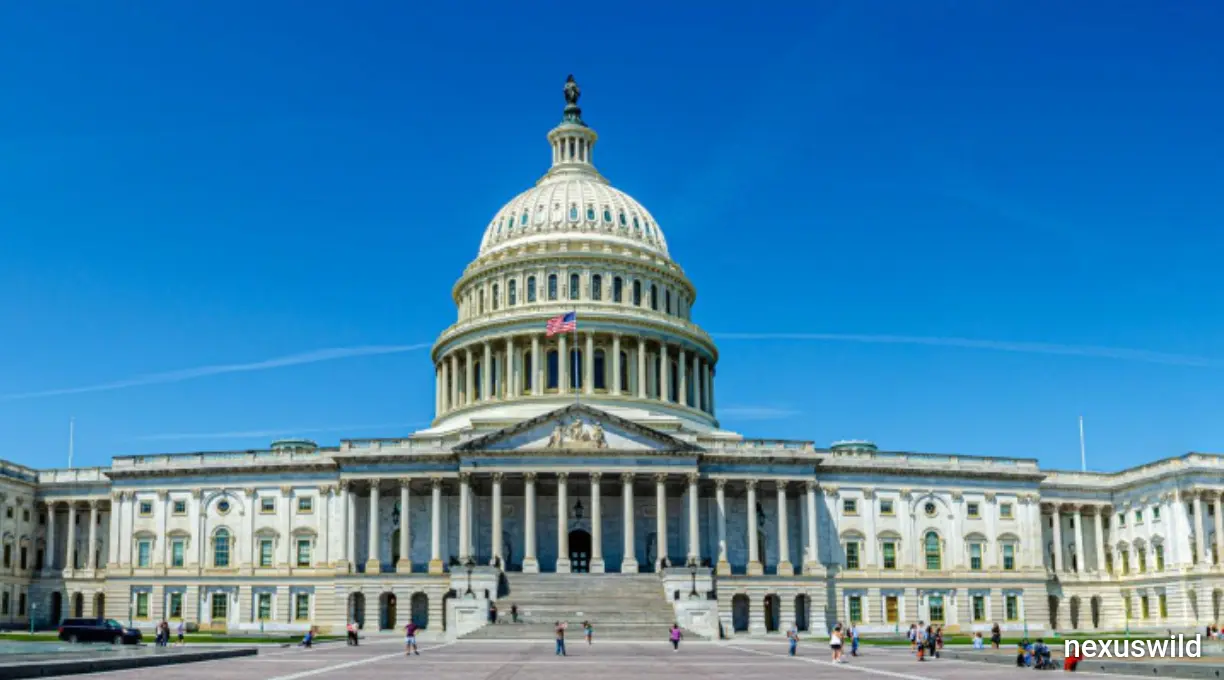

Voters across the United States are heading to the polls on November 3, 2026, in midterm elections that will determine the composition of Congress for the next two years and shape the legislative environment for businesses, technology companies and financial markets.
All 435 seats in the House of Representatives and 35 seats in the Senate are being contested. Voters in 36 states are also choosing governors, while numerous state and local elections and ballot measures are taking place across the country.
The election comes amid debate over federal spending, taxation, trade, energy policy and the regulation of emerging technologies. The outcome could influence how the administration and Congress approach these issues during the remainder of the presidential term.
Control of Congress is at stake
The midterm elections determine which political party holds a majority in each chamber of Congress. The House has 435 voting members, while the Senate has 100 members, with senators serving staggered six-year terms.
The party that controls each chamber has significant influence over committee leadership, legislative priorities, congressional investigations and the passage of bills.
A change in control could alter the pace and direction of legislation. A divided Congress may make it more difficult to pass major bills, while unified control could give the governing party greater room to advance its agenda.
However, election results do not automatically translate into policy changes. Legislation must still pass through the required congressional procedures, and many proposals face negotiations, legal constraints and potential presidential vetoes.
Taxation and federal spending
Fiscal policy is one of the major areas affected by the election.
Congress plays a central role in setting federal spending, approving appropriations and shaping tax legislation. The next Congress will face decisions involving government funding, budget priorities, expiring tax provisions and the federal debt ceiling.
The election outcome could influence negotiations over corporate taxation, investment incentives and the distribution of federal resources among infrastructure, defence, social programmes and other priorities.
For businesses and investors, the key issue is not simply which party wins, but whether the resulting congressional balance supports policy stability or introduces greater uncertainty.
Changes to tax provisions can affect corporate planning, investment decisions and household spending. Delays in budget negotiations can also affect federal agencies, government contractors and businesses that depend on public funding.
Technology and AI regulation
Technology policy is another important area to watch.
Congressional committees oversee legislation and investigations involving artificial intelligence, data privacy, semiconductor supply chains, competition and national security.
The election could influence how lawmakers approach proposals related to AI safety, the use of advanced computing systems, technology exports and antitrust enforcement.
AI infrastructure has also become a growing local policy issue. Large data centres require land, electricity, cooling systems and access to grid infrastructure. Communities are increasingly debating the economic benefits and potential costs of these facilities.
Federal policy may influence incentives, research funding and trade rules, while state and local authorities retain important powers over zoning, permitting and infrastructure approvals.
Local ballot measures bring data-centre development into focus
Alongside federal contests, voters in several states and local jurisdictions are deciding ballot measures related to data-centre development.
Ballotpedia tracked at least 50 data-centre-related ballot measures across 13 states in 2026, including measures scheduled for November 3.
The proposals vary. Some seek to restrict or prohibit data-centre construction, while others would facilitate development or advise local officials to support projects.
These measures reflect concerns about electricity demand, land use, local infrastructure and the balance between economic development and community impacts.
Their outcomes could affect individual projects and local planning decisions. They should not be interpreted as a single national vote on AI infrastructure or as automatically changing federal technology policy.
Trade, tariffs and energy policy
Trade policy is another issue with potential implications for businesses and financial markets.
Congress has constitutional responsibilities relating to trade and taxation, while the executive branch exercises powers under laws enacted by Congress. The extent to which lawmakers seek to scrutinise or modify existing trade measures may depend on the election outcome and subsequent legislative priorities.
Businesses operating across international supply chains will be watching for changes that could affect tariffs, export controls and market access.
Energy policy is similarly relevant. Federal legislation and regulatory oversight can influence energy production, infrastructure investment, subsidies and environmental requirements. State and local authorities also play important roles in permitting and infrastructure development.
For technology companies, particularly those expanding data-centre capacity, energy availability and the cost of electricity are increasingly important business considerations.
What investors and businesses will watch
Investors will be monitoring the results for signs of changes in fiscal policy, regulation and the legislative outlook.
The election may affect expectations about tax policy, government spending, trade measures and the regulatory environment for large technology companies.
But markets do not respond only to the final seat count. Investors also assess whether the outcome was expected, how quickly policy changes might occur and whether proposals can realistically pass through Congress.
A divided government could lead to legislative gridlock, but it may also reduce the likelihood of abrupt changes in certain policy areas. A unified government could make it easier to advance legislation, although disagreements within a party can still complicate policymaking.
Election results and the policy outlook
Election Day is the beginning of the process of determining the next congressional balance. Results may take time to become clear in close races, particularly where states have large numbers of mail ballots or use additional rounds of vote counting.
The newly elected members of Congress will take office in January 2027. Until then, the current Congress remains responsible for legislative business.
For businesses, technology companies and investors, the election represents an important policy milestone—but not an immediate change in laws or regulations.
The longer-term impact will depend on the results, the legislative priorities of the new Congress and the ability of lawmakers to translate campaign positions into enacted policy.
The election will therefore shape the political environment for the next two years, while the practical effects on taxation, technology, trade and energy will emerge through subsequent legislative and regulatory decisions.
Nexuswild welcomes factual corrections. Email contact@nexuswild.com with evidence and the article URL.