
Meta Platforms has expanded its planned equity financing to as much as $97.5 billion, strengthening its potential funding capacity as it invests heavily in artificial intelligence infrastructure. The plan combines public stock offerings with a much larger share-sale program that Meta expects to launch in 2027.
The updated financing framework follows an increase in Meta’s planned Class A common-stock offering from $22.5 billion to $25 billion. The company has also priced an offering of $12.5 billion in depositary shares representing mandatory convertible preferred stock. Together, the priced offerings amount to approximately $37.5 billion.
The remaining $60 billion is tied to a proposed at-the-market, or ATM, share-sale program. Meta plans to establish this program after its new non-voting Class C common shares begin trading, which the company expects in the first quarter of 2027. The company has not finalized the terms of the ATM program, and the full amount is not guaranteed to be raised.
The financing plan highlights the scale of capital required to expand computing infrastructure for AI products and services. It also raises questions about how technology companies will balance long-term investment with shareholder returns and cash generation.
How Meta’s financing plan is structured
Meta’s immediate public offerings comprise two components. The first is a $25 billion Class A common-stock offering, priced at $625 per share. The second is an offering of 250 million depositary shares priced at $50 each, representing a 6.50% Series A mandatory convertible preferred stock.
The two offerings are separate, meaning completion of one is not conditional on completion of the other. Meta said the proceeds from the preferred-stock offering are intended for general corporate purposes.
The planned ATM program would allow Meta to sell shares over time at prevailing market prices rather than raising the entire amount in a single transaction. The company intends to use its new Class C common stock for this program. These shares are designed to be non-voting, allowing Meta to raise additional capital while maintaining its existing voting structure.
It is important to distinguish the overall financing framework from completed fundraising. The $97.5 billion figure combines the priced public offerings with the potential future ATM program. The future program has not yet been finalized, and Meta has not committed to selling the full $60 billion.
Chipmakers express interest in purchasing Meta shares
The offering has drawn potential interest from three major semiconductor companies: Nvidia, Advanced Micro Devices and Broadcom.
Meta disclosed that the companies had indicated interest in purchasing up to $5 billion of its Class A common shares collectively, on the same price and terms as other buyers. These indications of interest are not binding agreements. Each company may ultimately purchase more, fewer or no shares.
Nvidia separately announced a $3 billion investment in Meta’s equity offering. That disclosed commitment should not be confused with the entire $5 billion potential allocation involving the three chipmakers.
The participation of semiconductor suppliers is notable because these companies also sell hardware and technologies used in AI computing. Meta is investing in the infrastructure required to develop and operate AI models and services, creating a direct commercial connection between the companies supplying computing technology and the businesses purchasing it.
However, the share purchases do not, by themselves, establish guaranteed hardware supply agreements or prove that Meta has secured specific future chip allocations. Any supply or purchasing agreements should be assessed separately from the equity financing.
Meta’s AI investment requires substantial capital
The financing expansion comes as Meta forecasts capital expenditure of approximately $135 billion to $145 billion in 2026. The company says its spending supports both AI initiatives and its core business.
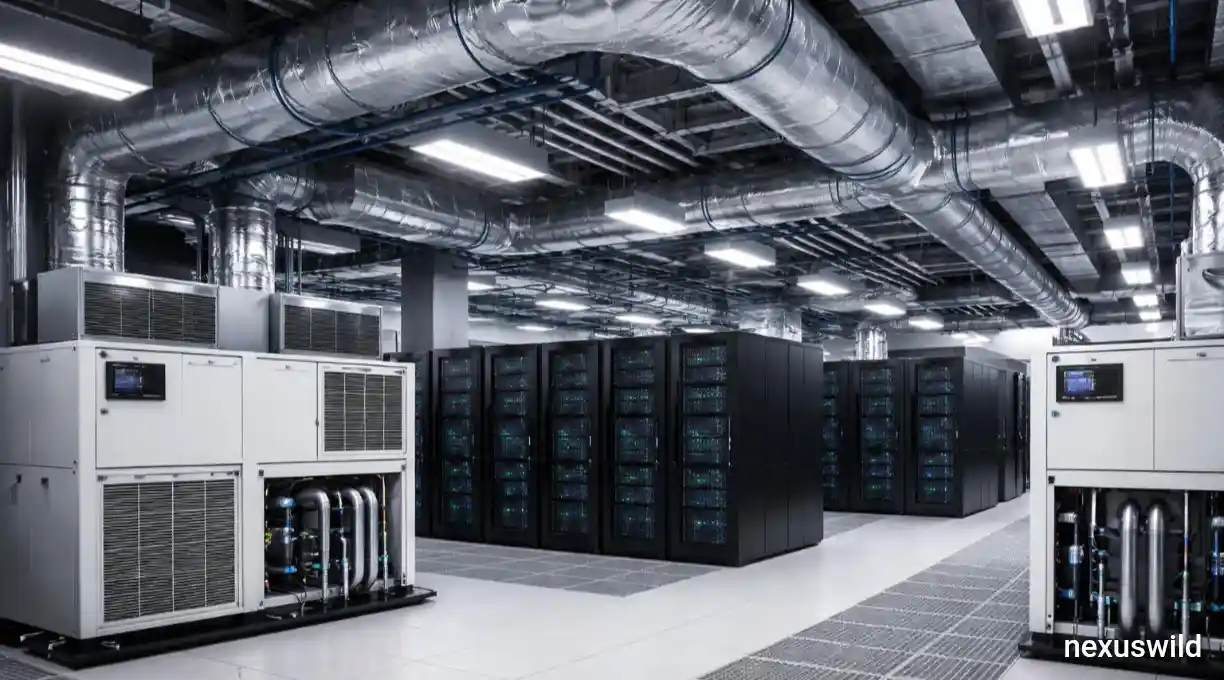
Its investments include computing infrastructure and data-center capacity needed to support AI development and services. Building and operating such facilities requires substantial spending on equipment, power, cooling, networking and other infrastructure.
Meta’s third-quarter 2026 filing provides additional financial context. The company reported approximately $82.45 billion in cash, cash equivalents and marketable securities at the end of September. It also reported approximately $96.87 billion in cash generated from operations during the first nine months of the year.
These figures show that the company has significant financial resources, although its infrastructure ambitions also create substantial capital requirements. Meta has said it expects its available funds, operating cash flow and financing activities to be sufficient to meet its needs for the foreseeable future, while acknowledging that it may seek additional capital through debt, equity or other arrangements.
Why investors may scrutinize the plan
Equity financing can give a company capital without the same fixed repayment obligations associated with borrowing. However, issuing shares can affect existing shareholders’ ownership and future earnings per share. The impact depends on the amount issued, the terms of the securities and the returns generated by the investment.
The planned non-voting Class C share program is also relevant to Meta’s governance structure. The company has said the new share class will provide another route for raising capital while preserving the existing voting arrangement.
The involvement of major chipmakers may prompt questions about financial links across the AI supply chain. When hardware suppliers invest in customers that are also purchasing their products, the relationships can become more interconnected. That does not automatically mean the arrangements are improper, but investors may examine whether commercial demand and financing relationships are reinforcing each other.
The central question is whether Meta’s investments in AI infrastructure, models and products will produce sustainable financial returns. The financing announcement does not establish that the company’s AI strategy is failing to generate revenue, nor does it guarantee that future investments will be profitable.
What happens next
The immediate public offerings are the near-term financing steps, while the proposed $60 billion ATM program is expected to follow the start of trading in Meta’s Class C shares, anticipated in the first quarter of 2027.
Investors will likely continue monitoring Meta’s capital expenditure, cash generation, AI product adoption and operating performance. The level of interest from semiconductor suppliers is a notable part of the financing story, but the companies’ final share purchases and the future ATM program’s terms remain important uncertainties.
Meta’s expanded plan therefore represents a potential financing framework for a large, long-term AI investment cycle rather than a single completed $97.5 billion fundraising event. Its longer-term significance will depend on how the company deploys the capital and whether the resulting infrastructure and AI products deliver returns that justify the investment.
Nexuswild welcomes factual corrections. Email contact@nexuswild.com with evidence and the article URL.