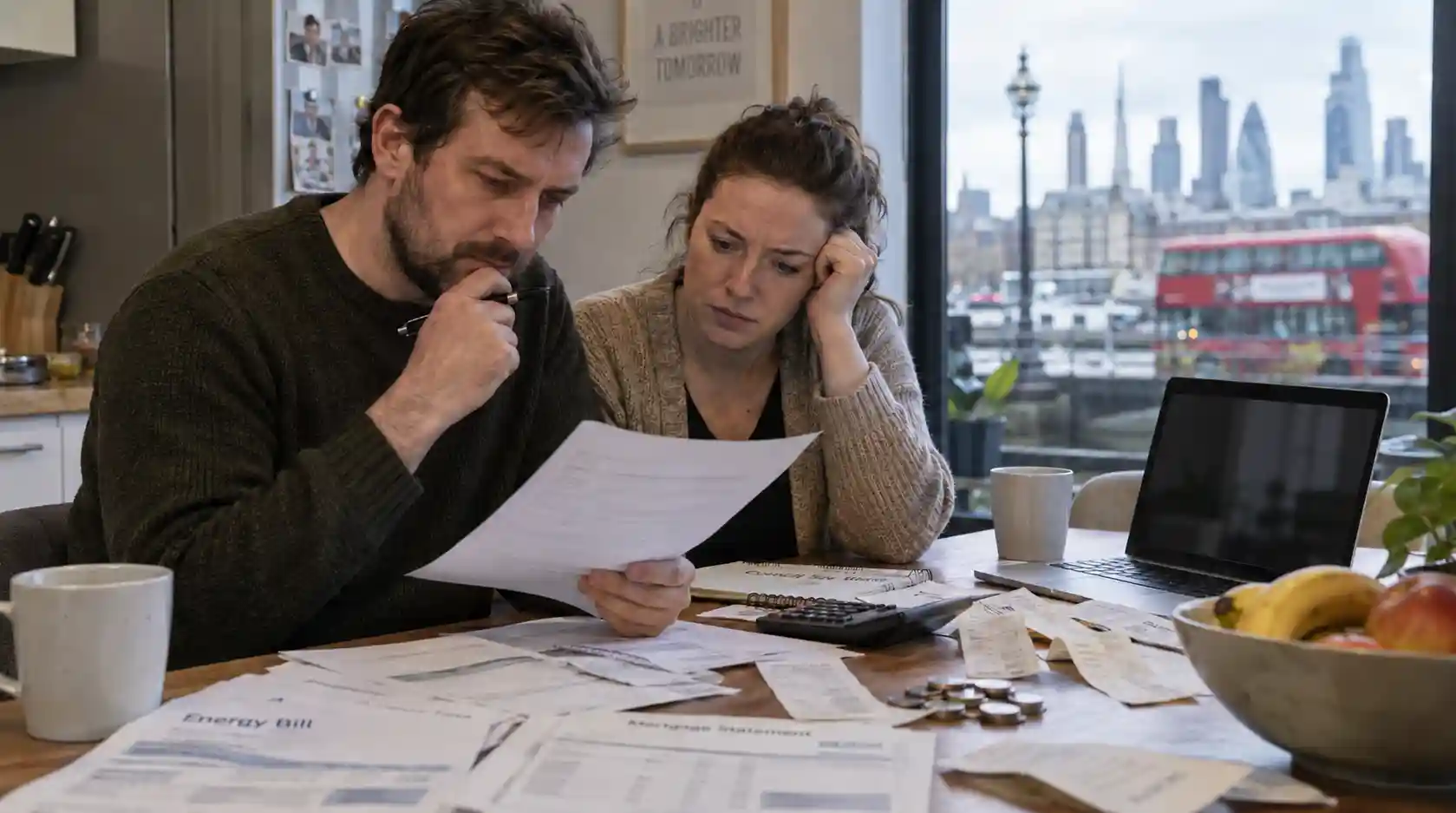

If you've noticed your energy bill creeping back up or heard interest rates might rise rather than fall, you're picking up on the two things currently shaping the UK economy: a fresh burst of inflation driven largely by energy prices, and a Bank of England that has stopped cutting interest rates and is now debating whether it needs to raise them again. Both trace back to the same cause - the conflict in the Middle East and its effect on global energy markets - and both are filtering through to mortgages, bills and pay packets right now.
Is the UK Economy Growing?
Start with the basics: is the economy growing? Yes, but not quickly. Official figures from the Office for National Statistics show GDP grew by 0.4% in the second quarter of 2026 (April to June), following 0.6% growth in the first quarter. Monthly data shows the economy expanded 0.4% in July, meaning growth has now held positive for eight consecutive three-month periods - a genuine, if unspectacular, recovery. Compared with a year earlier, the economy was 1.6% larger in July.
Services, particularly computer programming and consultancy, have done most of the work; production and construction have been flatter or falling in recent months. Annual growth for 2025 as a whole has been revised to 1.3%. Forecasters expect this modest pace to continue: the Office for Budget Responsibility pencilled in 1.1% growth for 2026 in its March forecast, while the IMF and OECD are slightly more cautious, at 1.0% and 0.9% respectively - the OECD explicitly citing the Middle East conflict as a drag on growth.
The Return of Energy-Driven Inflation
Inflation is the part households will feel most directly. The Consumer Prices Index rose 2.9% in the year to July 2026, up from 2.6% in June and the highest reading in four months. The main driver was housing and household costs, which jumped after energy regulator Ofgem raised its price cap by 13% that month - gas prices alone rose 14.7%, the sharpest increase since October 2022. Food price inflation, by contrast, eased to 1.3%.
Before the Middle East conflict began disrupting oil and gas supplies, the Bank of England had expected inflation to fall to around its 2% target from April and stay there for the rest of 2026; instead, its July forecast now shows inflation peaking at around 3.2% by the final quarter of the year. August's official inflation figures are due on 16 September, so the July numbers remain the most recent confirmed reading.
Bank of England: Interest Rates, Mortgages, and Savings
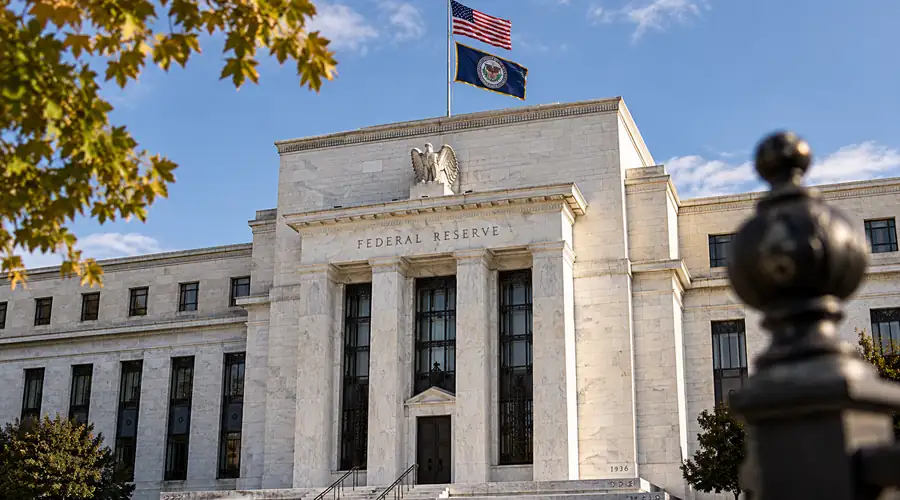
That inflation picture is central to what the Bank of England does with interest rates - and this is where it gets more complicated for anyone with a mortgage or savings. Bank Rate, the interest rate the Bank charges other banks and uses to influence borrowing costs across the economy, has been held at 3.75% since it was cut from 4% last December. It's been held at every meeting since, but the voting pattern tells its own story: three of the nine-member Monetary Policy Committee voted for a rate rise in July, more than voted that way in June or April, a sign that hawkish sentiment is building inside the Bank.
The next decision lands on 17 September. A Reuters poll of economists in mid-August found nearly 90% expect rates to stay at 3.75% for the rest of the year, but markets are no longer pricing in the cuts many expected before the Middle East conflict began - some now price in the possibility of a rise.
- Tracker Mortgages: A held rate means no change to monthly payments.
- Fixed-Rate Deals: For anyone coming up to remortgage, compare deals roughly six months ahead of your current term ending, since fixed pricing tracks market expectations of future rates, not just the current Bank Rate.
- Savers: Cash accounts still offer relatively attractive yields compared to previous years, though real inflation-adjusted returns have narrowed as CPI picked up.
Jobs and Real Wage Growth
Jobs and pay tell a steadier, if unspectacular, story. Unemployment stood at 4.9% in the three months to June 2026, little changed on the quarter, with total employment at 34.47 million. Wages are still rising faster than prices, but not by much: average earnings grew 4.1% in cash terms including bonuses over the same period, which works out at 1.3% growth once inflation is stripped out - modest real income growth rather than a squeeze, for now.
The picture is patchier underneath the headline number: unemployment among 16-to-24-year-olds has climbed to 16.2%, up from 14.3% a year earlier, and the number of job vacancies has fallen to its lowest level since 2021, suggesting employers are hiring more cautiously even as existing staff keep their jobs.
Housing Market and Rentals
Housing offers a similarly mixed message depending on which measure you look at. Nationwide's index put the average UK house price at £275,465 in August, up 1.6% on the year. Lloyds' index (the rebranded Halifax measure) put the average at £298,468, down slightly on the month and recording the first annual fall since November 2023. HM Land Registry, generally seen as the most complete measure since it includes cash sales, had the average at £272,188 as of June. In short: the market is largely flat, caught between buyers adjusting to a higher-rate environment and continued affordability pressure.
Rents have cooled more clearly - ONS private rental inflation has fallen from 9.1% in 2024 to somewhere in the 3–4% range now, though this varies sharply by region, with rents still rising quickly in cheaper parts of the North East while falling in cities like Birmingham and Nottingham.
Public Debt and Sterling
Government finances remain stretched. The government borrowed £57 billion in the first four months of the 2026/27 financial year, around £2 billion more than the OBR had forecast, while public sector net debt stood at 94.1% of GDP at the end of July - meaning the country owes roughly as much as it produces in economic output in a year, with debt interest alone consuming a significant share of public spending.
The pound has held up reasonably well through this, trading around $1.35 against the dollar and €1.17 against the euro in early September - near the upper end of its range for the year. That's less a vote of confidence in UK growth than a reflection of interest rates: with Bank Rate at 3.75% against the European Central Bank's 2.25%, sterling remains attractive to international investors chasing yield, even as the underlying growth story stays modest.
Key Takeaways for Households
Pulling this together, the main risk to watch is how long the Middle East conflict keeps energy prices elevated. A prolonged disruption would likely mean stickier inflation, a Bank of England less inclined to cut rates, and softer growth. Beyond that, the UK's long-standing weak productivity growth and its exposure to global trade conditions remain structural drags that no single quarter's data will fix. For most people, the practical takeaways right now are straightforward: expect energy and some household bills to keep rising into autumn, don't expect mortgage rates to fall soon, real wages are still edging up rather than falling, and the housing market is more stagnant than either booming or collapsing.
Further reading and useful links
Reader questions
Frequently asked questions
Is the UK economy currently in a recession?
No. The UK economy has posted positive growth for eight consecutive three-month periods, expanding by 0.4% in both Q2 2026 and the month of July.
Why is UK inflation rising again in 2026?
Inflation climbed to 2.9% in July, primarily driven by a 13% increase in the Ofgem energy price cap and rising wholesale gas prices sparked by Middle East conflict and global shipping disruptions.
Will the Bank of England cut interest rates soon?
Rate cuts have been paused with Bank Rate at 3.75%. Due to renewed inflation pressures, several Monetary Policy Committee members have voted to hike rates, leading markets to push back expectations of any near-term cuts.
Nexuswild welcomes factual corrections. Email [email protected] with evidence and the article URL.