
Ukrainian President Volodymyr Zelenskyy has pushed back against claims made by US President Donald Trump that Kyiv and Moscow formally agreed to an immediate halt on strikes targeting energy infrastructure. While Ukraine expressed a willingness to support a mutual pause if backed by firm international guarantees, Kyiv maintains that Russia has not genuinely committed to sparing Ukrainian civilian and power facilities. This diplomatic discord highlights the immense geopolitical stakes of the conflict as winter approaches, with both sides utilizing energy assets as critical leverage in ongoing negotiations.
The Origins of the Energy Ceasefire Claim
On September 14, US President Donald Trump announced on his social media platform that a breakthrough had been reached between the warring nations. He stated that Ukraine agreed to stop hitting Russian energy targets and that Russia had agreed to do likewise. The announcement came shortly after the US administration publicly urged the Ukrainian government to cease its long-range drone strikes on Russian oil refineries and fuel depots. American officials had argued that these systematic attacks were driving up global diesel prices and exacerbating fuel shortages worldwide, directly affecting domestic markets.
The reported agreement was framed by Washington as a rare de-escalatory step in a prolonged conflict that has devastated infrastructure and rattled global energy markets. In his announcement, the US president added that the global rise in diesel prices was mostly caused by the ongoing war in Eastern Europe, explicitly dismissing the notion that Middle Eastern tensions, particularly involving Iran, were the primary culprit. Trump asserted that this diplomatic intervention would relieve pressure on consumers by stabilizing the output of major Russian refining facilities.
However, the claim immediately faced intense scrutiny from multiple international observers and stakeholders. Mediators and officials involved in ongoing diplomatic back-channels indicated that while an energy ceasefire has long been under discussion, declaring a finalized pact was severely premature. For months, diplomats have attempted to secure a mutual pause in attacks on power plants, substations, and refineries. Despite these prolonged efforts, Moscow previously rejected proposals for a mutual cessation, opting instead to intensify its aerial bombardment of Ukrainian cities.
Ukraine Requires Firm and Enforceable Guarantees
Following the sudden announcement from Washington, Ukrainian leadership quickly moved to clarify their position and temper expectations. President Volodymyr Zelenskyy published a statement on social media emphasizing that while Kyiv is open to the concept of an energy ceasefire, no formal or binding agreement has been finalized with Moscow. Zelenskyy categorically stated that Ukraine is not convinced of Russia's willingness to abide by any such arrangement without strict enforcement mechanisms and international oversight.
The Ukrainian government established clear, non-negotiable conditions for any reciprocal halt in strikes. Zelenskyy noted that if international partners, particularly the United States, can ensure a genuine desire from Russia to refrain from attacking Ukraine's electricity network, energy facilities, and critical logistics routes used to transport food, then Kyiv would reciprocate with a corresponding absence of its own strikes. The Ukrainian president stressed that any accord must be reliable, long-term, and yield a tangible impact on the safety and well-being of civilians.
Kyiv's caution is deeply rooted in the recent history of the conflict. Ukrainian officials frequently point to previous temporary pauses in hostilities that failed to produce lasting peace and were ultimately used by Russian forces to regroup. For example, a brief three-day ceasefire implemented in May, intended to coincide with regional commemorative events and backed by US diplomatic efforts, quickly unravelled. During that narrow window, Russian forces launched a barrage of attack drones and ballistic missiles at Ukrainian targets. Because of these repeated violations of trust, Ukrainian negotiators are demanding concrete, verifiable guarantees rather than relying on unwritten verbal commitments before adjusting their successful military strategy.
Russia's Strategic Stance and Impending Winter Objectives
Despite the optimistic announcements originating from the United States, reports from international financial media suggest that Moscow remains entirely uncommitted to a mutual energy ceasefire. According to the Financial Times, sources familiar with the Kremlin's negotiating posture indicate that Russian President Vladimir Putin has no immediate intention of signing an agreement that protects Ukrainian energy infrastructure ahead of the cold season.
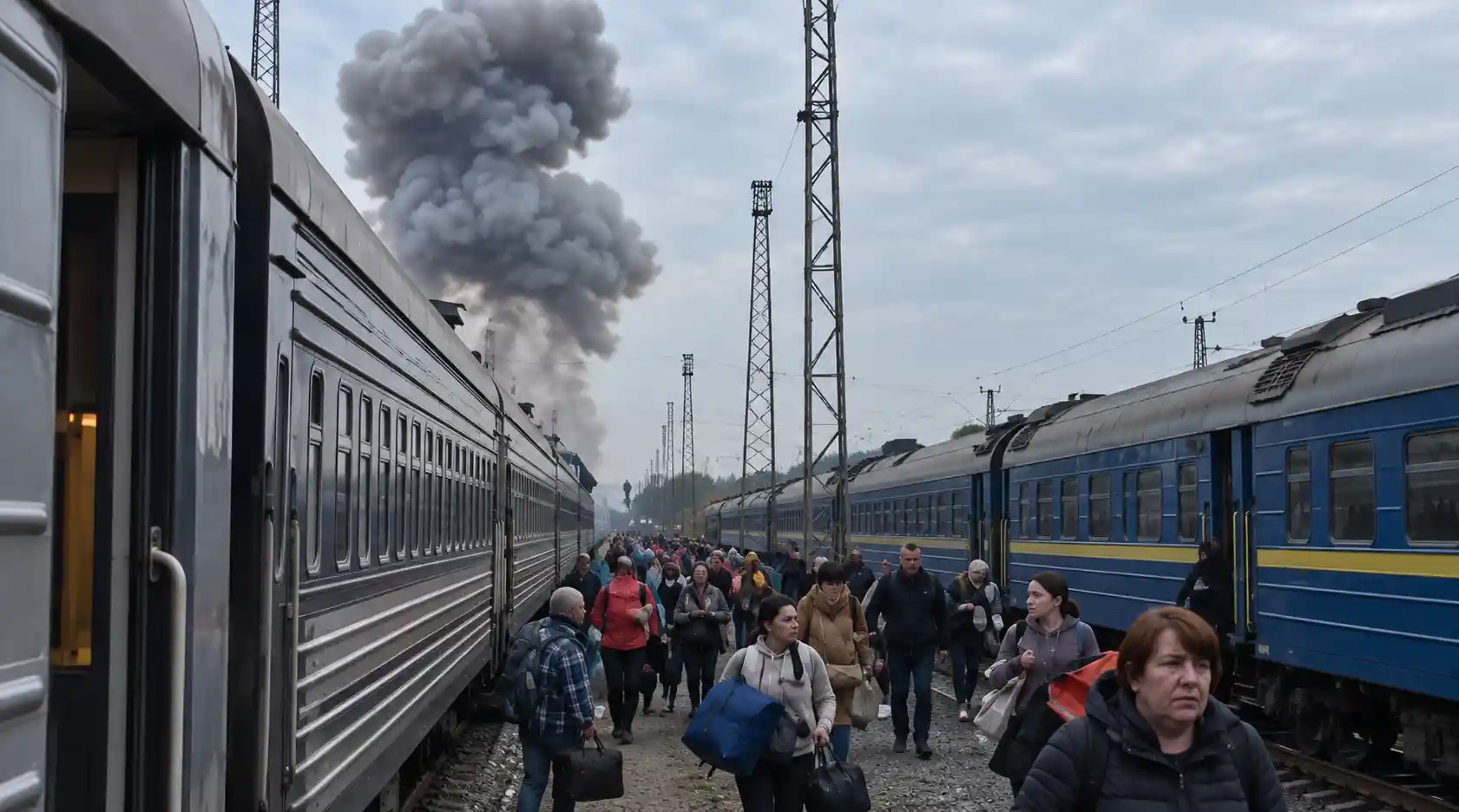
Russian military doctrine throughout the full-scale invasion has heavily relied on disabling Ukraine's power grid during the winter months. By plunging Ukrainian cities into darkness and freezing temperatures, Moscow aims to demoralize the civilian population, trigger new waves of refugees into neighboring European countries, and force the government in Kyiv into making significant political and territorial concessions. Agreeing to an energy ceasefire now would deprive the Russian military of one of its most potent strategic levers just as the weather begins to deteriorate.
Official statements from Moscow have only added to the ambiguity and skepticism surrounding the reported deal. Kremlin spokesperson Dmitry Peskov welcomed the US president's call for Ukraine to halt its attacks on Russian economic and energy infrastructure, calling the demand a positive development that can only be welcomed. However, Peskov notably stopped short of confirming that Russia had agreed to halt its own missile and drone strikes against Ukrainian energy facilities. This selective endorsement suggests that Moscow is willing to accept relief for its own embattled oil sector without offering the reciprocal protections that Kyiv is demanding.
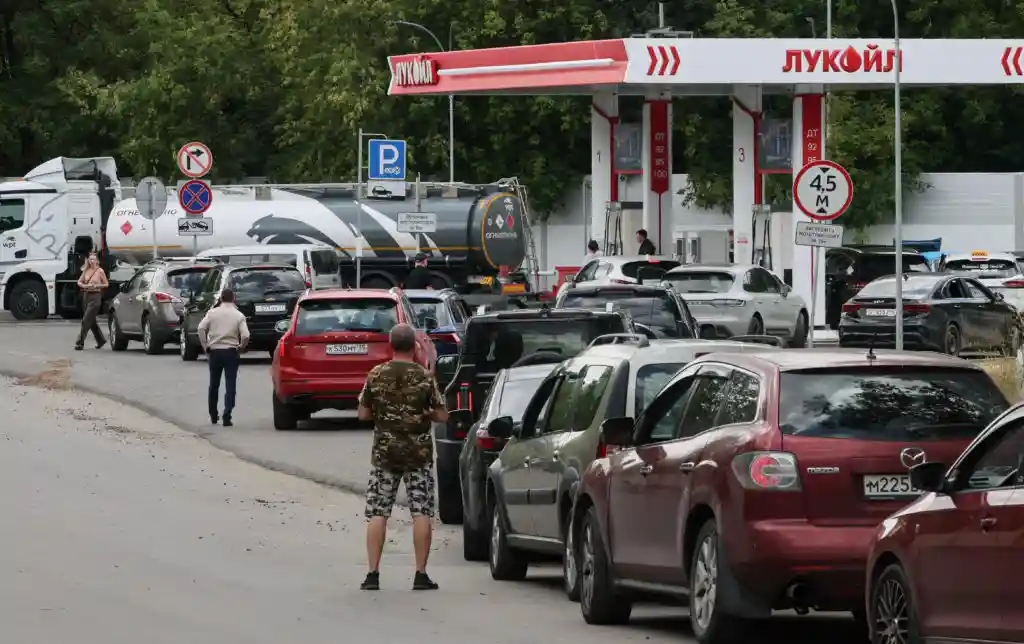
Furthermore, domestic political considerations within Russia may be influencing its diplomatic messaging. Russia is facing increasing pressure on its domestic fuel supplies due to the wave of Ukrainian drone attacks, which have reduced fuel production and contributed to shortages in several regions. This disruption is particularly sensitive for the Kremlin ahead of Russia's parliamentary elections scheduled for September 18 to September 20. By welcoming an end to Ukrainian strikes without committing to a full ceasefire, Moscow may be attempting to secure short-term domestic stability without sacrificing its military objectives.
The Broad Impact on Global Energy Markets
The diplomatic maneuvering over an energy ceasefire is inextricably linked to global economics and energy security. Over the past year, Ukraine has executed a highly effective, asymmetric drone campaign against Russia's lucrative oil and gas sector. By targeting refineries, storage depots, and export terminals deep within Russian territory, Ukrainian forces have successfully disrupted the fuel supplies that directly support the Russian armed forces. Kyiv has consistently defended these strikes as a legitimate and necessary attempt to increase the economic cost of Russia's invasion and degrade the logistical networks supplying troops on the front lines.
However, the undeniable success of the Ukrainian drone campaign has generated significant unintended consequences for the global economy. Russia remains a major player in international energy markets, and the persistent degradation of its refining capacity has led to domestic fuel shortages while contributing to volatility in global oil prices. The recent spike in diesel prices has become a pressing domestic issue for the United States, prompting the current administration to intervene publicly.
Economic analysts suggest that the political push for an energy ceasefire is heavily motivated by a desire to stabilize these fuel costs. Rising diesel prices directly impact the transportation, agriculture, and manufacturing sectors, creating inflationary pressures that affect consumers worldwide. While Kyiv views the destruction of Russian refineries as a critical component of its national defense strategy, allied nations are increasingly concerned about the broader economic fallout. This dynamic has created notable friction between Ukraine and its vital international supporters, who must balance domestic economic stability with their commitment to Ukrainian sovereignty.
The Humanitarian Stakes for Civilian Infrastructure
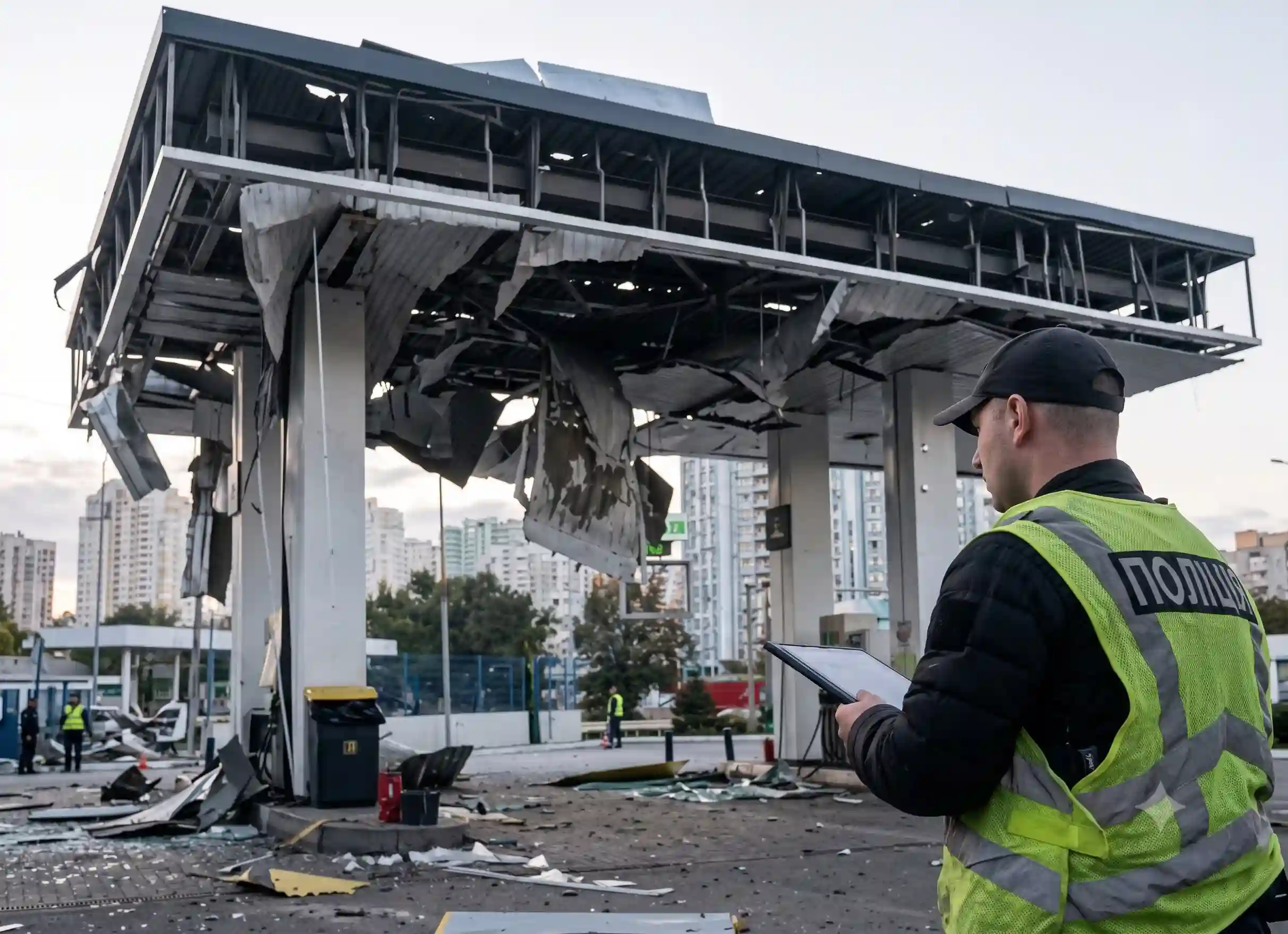
Beyond the complex geopolitical and economic dimensions, the debate over an energy ceasefire carries profound humanitarian implications for millions of people. Ukraine's energy infrastructure has suffered catastrophic, cumulative damage since the full-scale invasion began. Thermal power plants, hydroelectric dams, and vital high-voltage transmission networks have been repeatedly targeted by sophisticated missile barrages, leading to severe rolling blackouts and massive constraints on the country's industrial capacity.
As autumn progresses, the prospect of facing another brutal winter with a severely compromised power grid is a major concern for Ukrainian authorities and international humanitarian organizations. Without reliable electricity, the centralized heating and water supply systems in major urban centers become critically vulnerable to catastrophic failure. The repair and replacement of specialized transformers, turbines, and generators are slow, expensive, and logistically complex, making it nearly impossible for Ukraine to fully restore its grid before the freezing temperatures arrive.
This acute vulnerability underscores exactly why securing a genuine, enforceable halt to Russian strikes is a top priority for Kyiv. While Ukraine possesses the technological capability to continue inflicting severe damage on Russian oil infrastructure, the very survival of its own civilian population during the winter depends on maintaining the fragile remnants of its electrical grid. Therefore, a mutual energy ceasefire would theoretically offer immense humanitarian relief, provided it is actually honored by both belligerents rather than used as a tactical pause to rearm.
What Happens Next
Diplomatic efforts are expected to intensify in the coming weeks as international mediators attempt to bridge the vast gap between Washington's public claims and the strategic reality on the ground. Ukrainian officials will likely continue pressing their Western allies for robust security guarantees and enhanced air defense systems to protect their remaining energy assets. Meanwhile, military analysts anticipate that Ukraine will maintain its current strategy of targeting Russian energy infrastructure until a verifiable, binding agreement is achieved. The success or failure of these ongoing negotiations will become starkly apparent as winter sets in and civilian energy demands reach their peak.
Further reading and useful links
Reader questions
Frequently asked questions
Did Ukraine and Russia agree to an energy ceasefire?
No. While US President Donald Trump claimed an agreement was reached, Ukraine denied a formal deal, citing the need for strict international guarantees before halting its military operations against infrastructure.
Why is Ukraine attacking Russian energy targets?
Ukraine has targeted Russian oil refineries and fuel depots to disrupt military supply lines and increase the economic cost of the invasion, impacting Moscow's ability to fund its armed forces.
How has Russia responded to the ceasefire claims?
The Kremlin welcomed the idea of Ukraine halting strikes on Russian refineries but stopped short of committing to end its own aerial attacks on Ukraine's power grid.
What impact do these strikes have globally?
The disruption of Russian refining capacity has contributed to a rise in global diesel prices and regional fuel shortages, adding economic pressure to international markets.
Nexuswild welcomes factual corrections. Email [email protected] with evidence and the article URL.