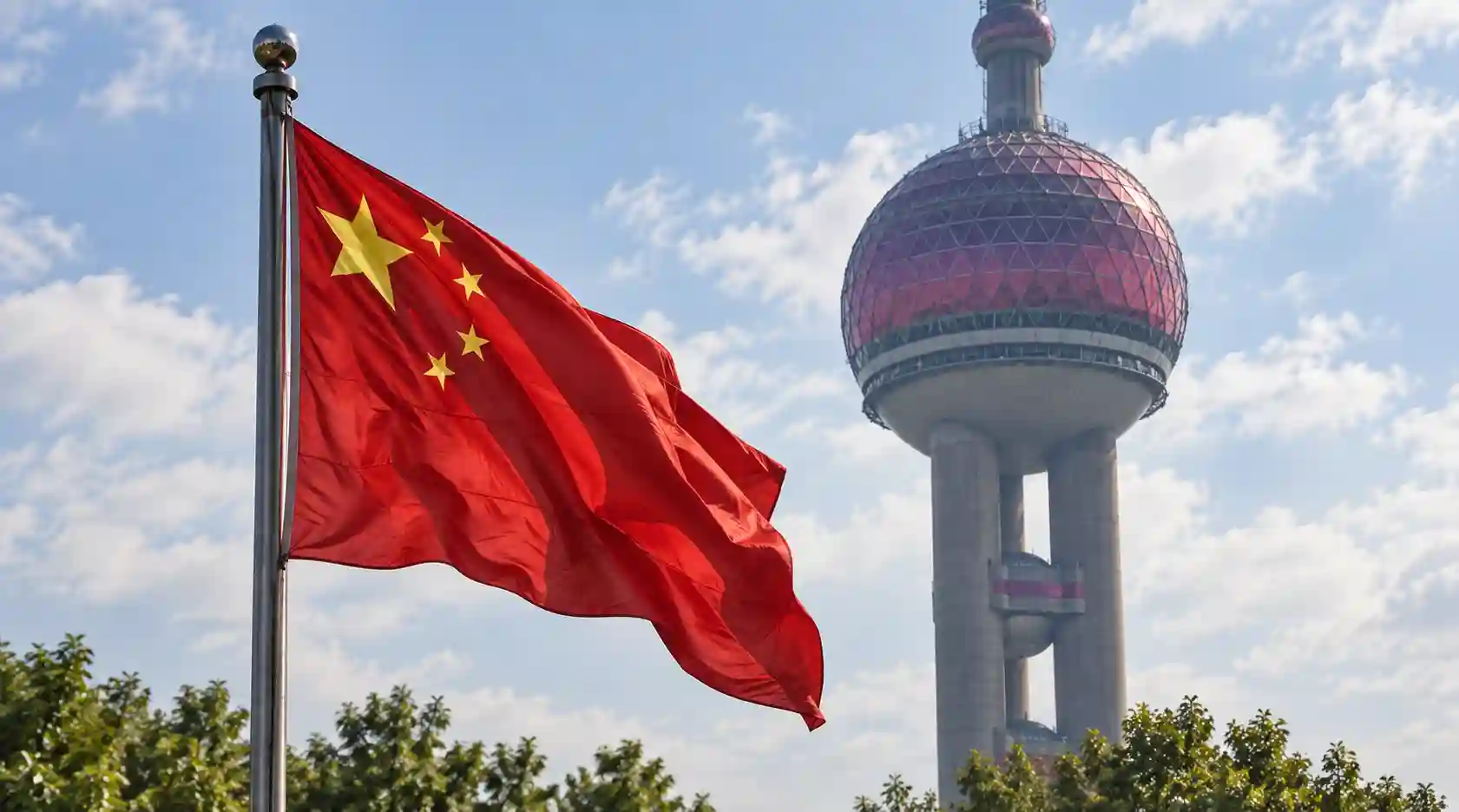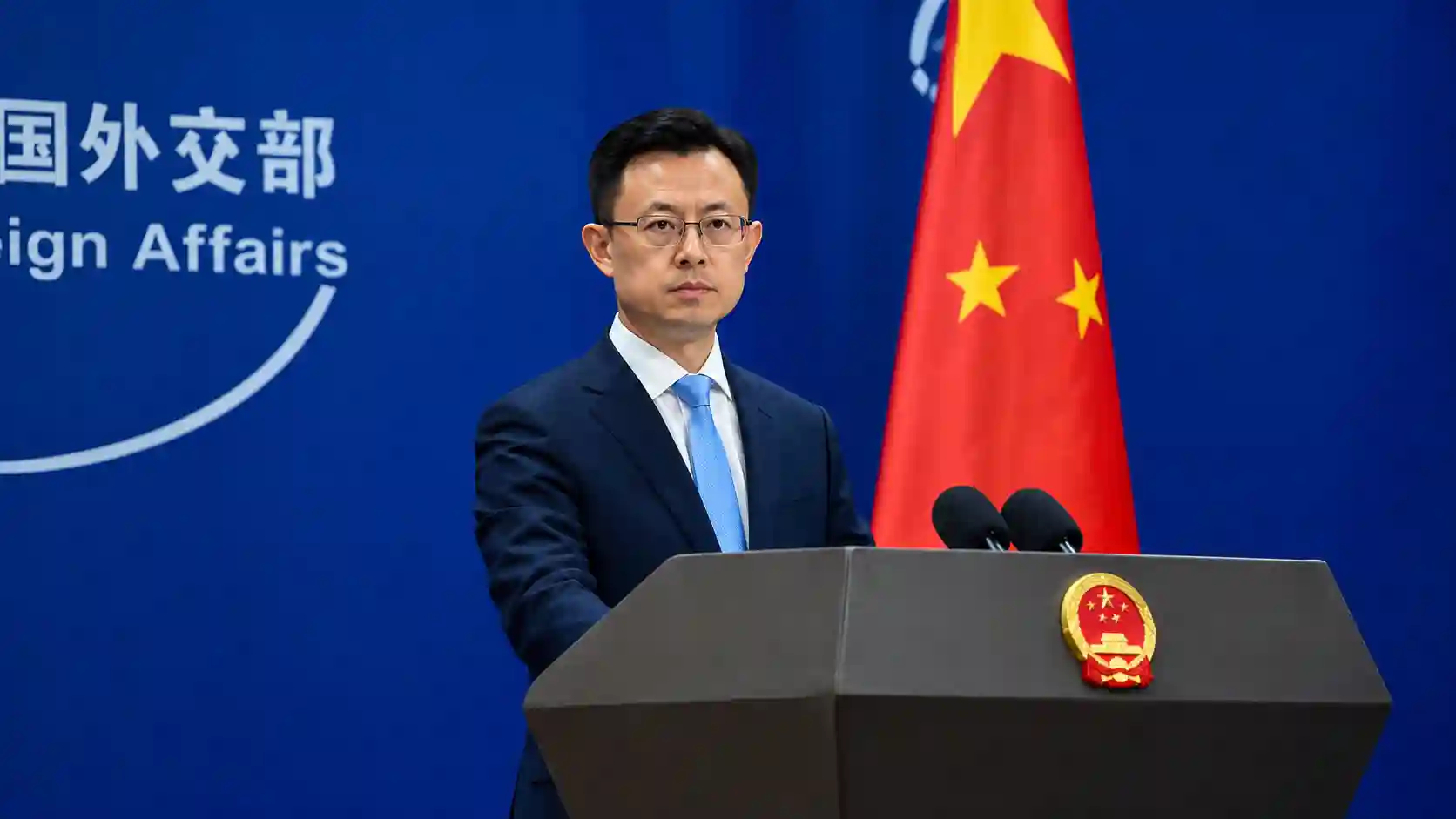

In Beijing this week, the Chinese government renewed its call for comprehensive international AI cooperation, emphasizing the need for open and inclusive development. Amid escalating debates over artificial intelligence safety, China's Foreign Ministry warned that geopolitical confrontation could undermine global efforts to establish secure frameworks. The push comes as rapid advancements in generative AI raise profound questions about humanity's ability to understand, control, and secure these transformative systems. By advocating for a unified approach, Beijing aims to position itself as a key architect of global AI governance, arguing that technological progress must remain a shared human endeavor rather than a zero-sum contest.
Addressing Global Safety Risks and Governance
Chinese officials have consistently stressed that artificial intelligence is a consequential technology for the future of humanity. Consequently, Beijing is advocating for the development of open technology for good and for all. Through frameworks like the Global AI Governance Initiative, China proposes that nations collaborate to prevent security risks while ensuring the technology remains reliable and controllable.
Recent statements from the Chinese Foreign Ministry explicitly warned against fearmongering and vicious competition. While global tech leaders express valid concerns regarding the potential for advanced models to outpace human oversight, Chinese experts argue that framing these challenges solely as national security threats is counterproductive. Instead, Beijing proposes tiered and category-based risk management systems, encouraging international information exchange and the creation of universal norms. This approach seeks to balance necessary safety guardrails with the uninterrupted growth of open source innovation.
Geopolitical Tensions Over Artificial Intelligence
The call for international AI cooperation arrives at a time of heightened geopolitical friction, particularly between China and the United States. Both nations are aggressively competing for leadership in advanced computing power, semiconductor technology, and foundational models. Recently, prominent Western technology executives suggested a slowdown in AI development, framing the technological race in terms of national security.
China has firmly rejected this narrative. State media and technology experts in Beijing argue that efforts to contain technological growth reflect an exclusionary mentality. The Chinese government opposes drawing ideological lines or forming exclusive blocs that obstruct developing nations from accessing AI resources. By criticizing unilateral coercive measures, China is highlighting the danger of fragmenting the global technology supply chain, which could leave the world divided under incompatible regulatory and safety standards.
The Path Forward Through the United Nations
To solidify its vision for global AI governance, China has actively engaged with multilateral institutions like the United Nations. Beijing recently helped advance a UN General Assembly resolution focused on AI capacity building. This diplomatic effort underscores China's commitment to increasing the representation of developing countries in technological governance.
United Nations officials have acknowledged China's open source strategy as a significant contribution to making AI accessible to the Global South. By supporting an inclusive framework, China insists that all countries deserve equal rights to participate in artificial intelligence development. This strategy emphasizes that shared standards negotiated through the UN will be far more effective in mitigating global risks than fragmented state-level regulations.
Why International AI Cooperation Matters
International AI cooperation matters because artificial intelligence poses borderless challenges that no single nation can solve independently. From preventing algorithmic bias and economic disruption to mitigating the risks of unchecked systemic failures, the safe deployment of AI requires a unified global framework. Without international consensus, the world risks developing fractured safety standards, increasing the likelihood of unchecked technological escalation and widening the digital divide. Collaborative governance ensures that foundational models are developed responsibly, remaining transparent, equitable, and ultimately beneficial to all of humanity.
Further reading and useful links
Reader questions
Frequently asked questions
What is China's stance on international AI governance?
China advocates for open, inclusive, and multilateral AI governance, primarily through institutions like the United Nations and its Global AI Governance Initiative, opposing unilateral export controls and ideological blocs.
How does Beijing propose addressing AI safety risks?
Beijing proposes tiered and category-based risk management systems, encouraging international information sharing, universal safety norms, and open-source technological access rather than treating AI development purely as a national security issue.
What role has the United Nations played in China's AI diplomacy?
China has actively supported and co-sponsored UN General Assembly resolutions focused on AI capacity building, aiming to bridge the digital divide and ensure developing nations in the Global South have equal access to AI technology.
Nexuswild welcomes factual corrections. Email [email protected] with evidence and the article URL.