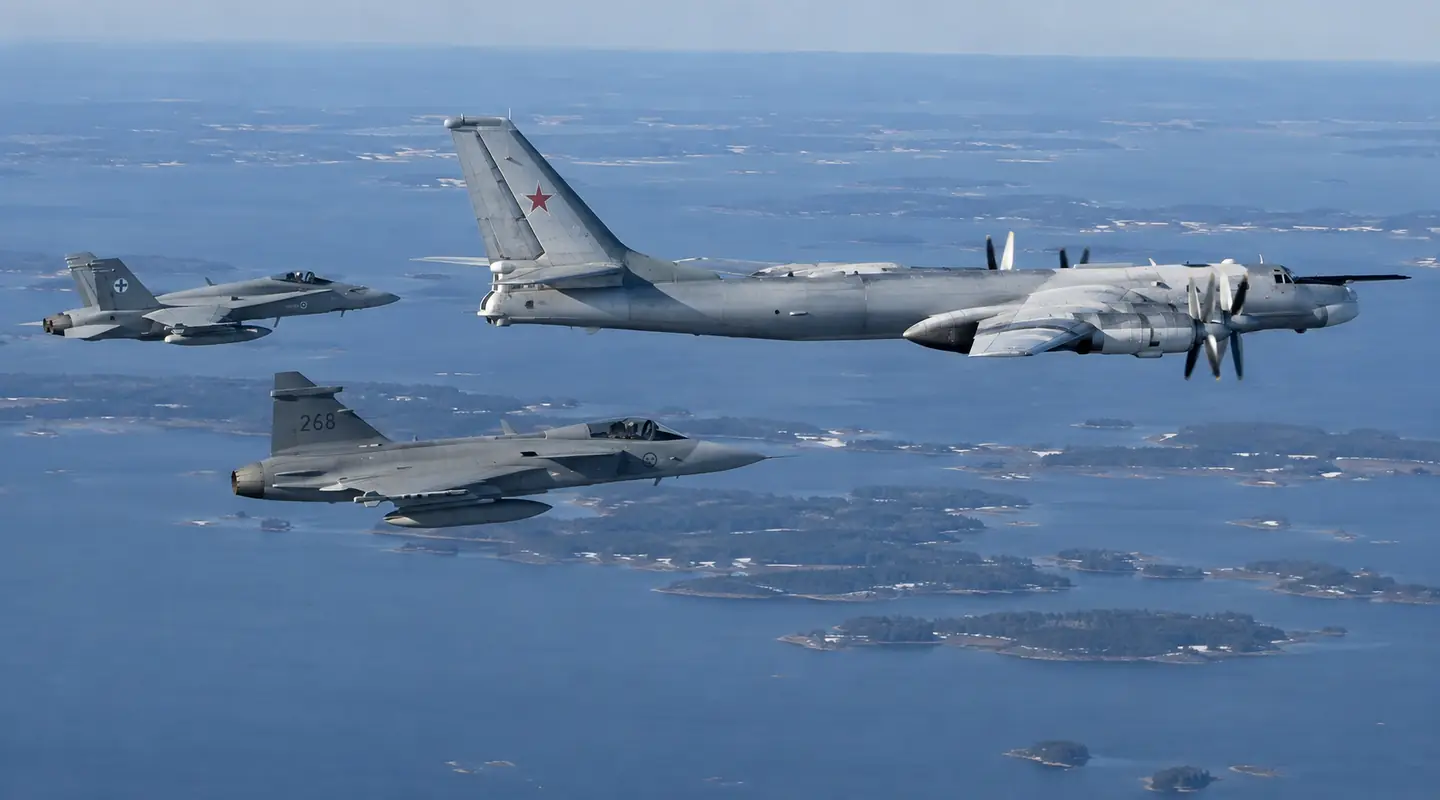

Swedish and Finnish fighters jointly intercepted and identified Russian military aircraft over the Gulf of Finland, highlighting the operational tempo on NATO’s northern flank. The immediate headline is important, but the larger story is how the event changes the operating assumptions around Sweden Finland Russian aircraft interception.
What happened
Finland and Sweden said they scrambled fighters to intercept and identify Russian military aircraft in international airspace over the Gulf of Finland. Reuters described it as the first such joint operation by the two Nordic countries.
Why the development matters
Air-policing missions are routine defensive activities designed to identify aircraft and protect situational awareness. An interception does not by itself establish hostile intent, so official descriptions of location and behavior matter.
What is established and what is not
The documented facts should be separated from interpretation. Official statements, formal agreements and verified operational events provide the firmest basis for assessing the development. Claims about intent or future behavior remain uncertain unless supported by additional evidence.
The deeper signal
The operational significance is interoperability. Finland and Sweden now work within NATO structures, and joint quick-reaction missions test communications, command procedures and the ability to share air-surveillance information in real time.
Why markets and operators will care
A single announcement rarely changes an industry by itself. What matters is whether it alters cost, capacity, risk allocation or the speed at which competitors must respond. That is why this story is best tracked through measurable follow-through rather than headline momentum. Capital spending, utilization, financing terms, regulatory filings and counterparties' behavior can confirm whether the change is becoming structural.
What to watch next
Future data on the frequency, location and type of aircraft involved will show whether this was an isolated mission or part of a sustained increase in northern-European air activity.
Bottom line
The core NexusWild takeaway is not a prediction. It is that Sweden Finland Russian aircraft interception now has a clearer set of measurable constraints and catalysts. The next update should be judged against those indicators, with new claims separated from confirmed data.
Reader questions
Frequently asked questions
What happened in the Sweden Finland Russian aircraft interception story?
Finland and Sweden said they scrambled fighters to intercept and identify Russian military aircraft in international airspace over the Gulf of Finland. Reuters described it as the first such joint operation by the two Nordic countries.
Why does this development matter?
Air-policing missions are routine defensive activities designed to identify aircraft and protect situational awareness. An interception does not by itself establish hostile intent, so official descriptions of location and behavior matter.
What is the key technical or financial issue?
The operational significance is interoperability. Finland and Sweden now work within NATO structures, and joint quick-reaction missions test communications, command procedures and the ability to share air-surveillance information in real time.
What should readers monitor next?
Future data on the frequency, location and type of aircraft involved will show whether this was an isolated mission or part of a sustained increase in northern-European air activity.
Nexuswild welcomes factual corrections. Email [email protected] with evidence and the article URL.