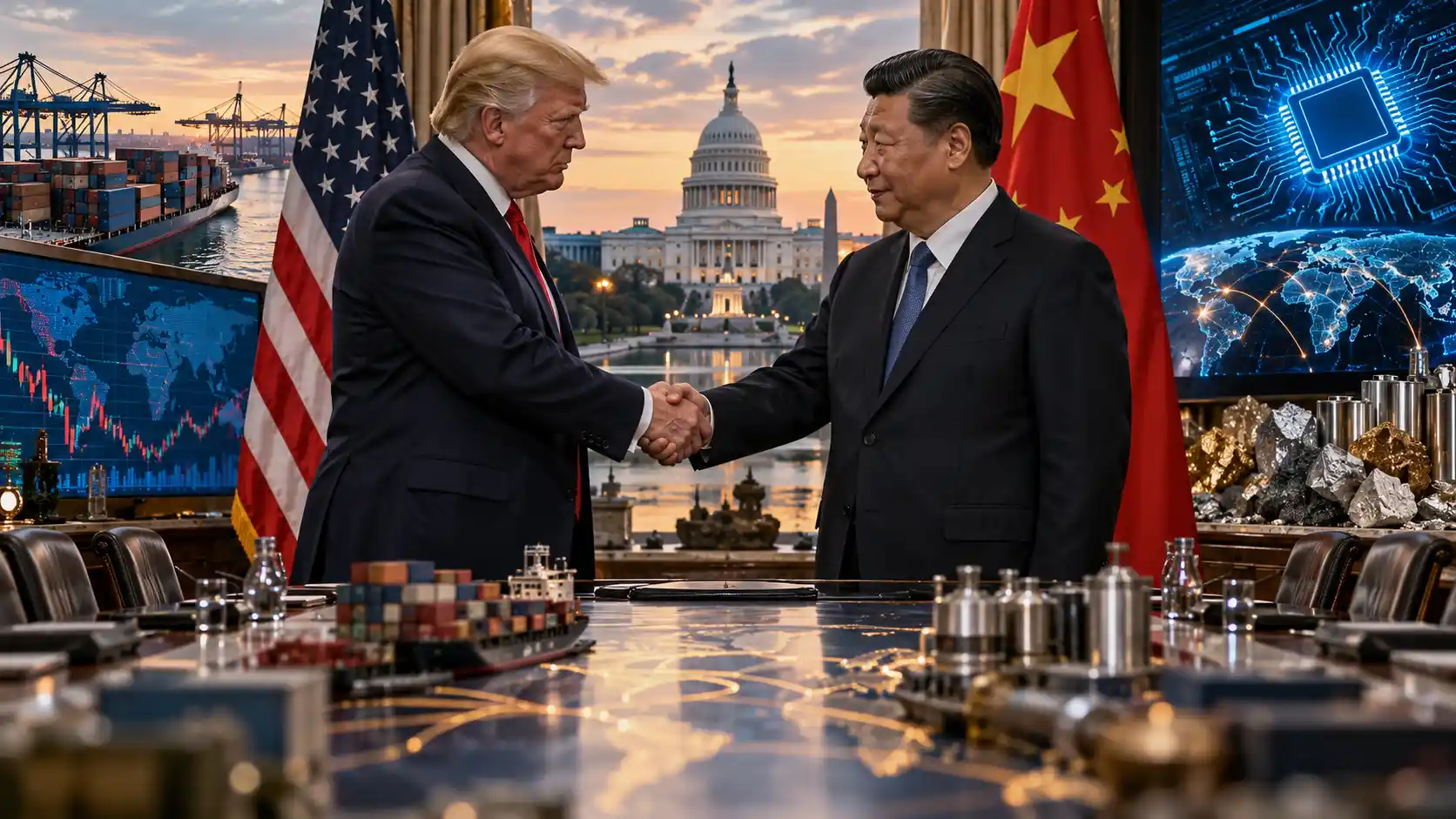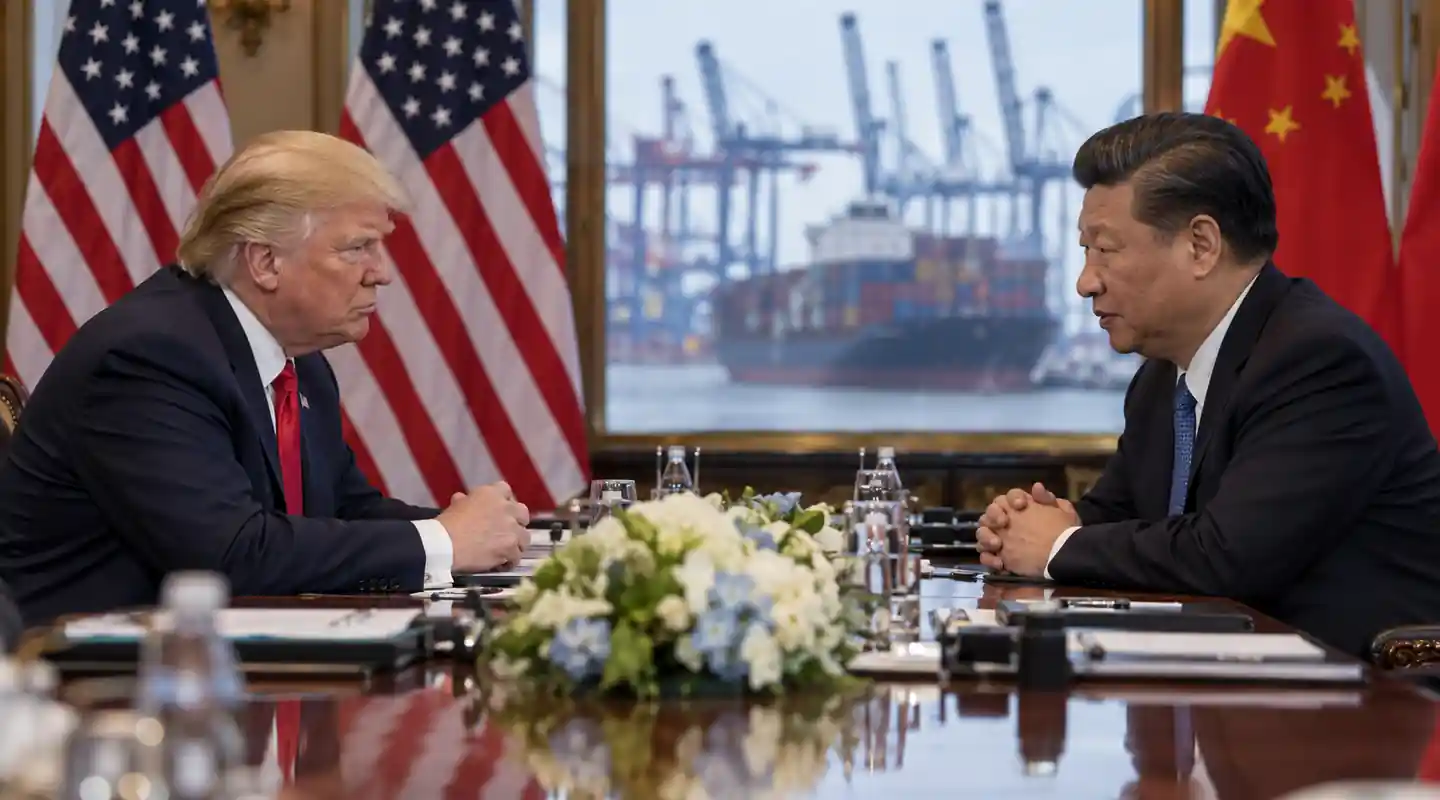

Washington and Beijing extended their trade truce by two months after the Trump-Xi summit, while major disagreements involving technology, Taiwan and strategic competition remained unresolved. The immediate headline is important, but the larger story is how the event changes the operating assumptions around U.S. China trade truce.
What happened
U.S. and Chinese officials said the two sides extended their trade truce by two months around President Donald Trump’s meeting with Chinese President Xi Jinping in Washington. Reuters reported that the summit did not produce broad breakthroughs on several of the hardest bilateral disputes.
Why the development matters
A truce can reduce immediate tariff risk without resolving the policies that created the dispute. Technology controls, agricultural purchases, strategic minerals, industrial policy and Taiwan remain separate issues with different negotiating tracks.
What is established and what is not
The documented facts should be separated from interpretation. Official statements, formal agreements and verified operational events provide the firmest basis for assessing the development. Claims about intent or future behavior remain uncertain unless supported by additional evidence.
The deeper signal
For companies, the practical value of the extension is time. Importers and manufacturers gain a larger planning window, but businesses exposed to U.S.-China trade still have to price in policy uncertainty because the extension is temporary rather than a comprehensive settlement.
Why markets and operators will care
A single announcement rarely changes an industry by itself. What matters is whether it alters cost, capacity, risk allocation or the speed at which competitors must respond. That is why this story is best tracked through measurable follow-through rather than headline momentum. Capital spending, utilization, financing terms, regulatory filings and counterparties' behavior can confirm whether the change is becoming structural.
What to watch next
Watch tariff schedules, technology-export rules, agricultural commitments and any formal follow-up mechanism created by the two governments. Official text matters more than summit rhetoric for commercial planning.
Bottom line
The core NexusWild takeaway is not a prediction. It is that U.S. China trade truce now has a clearer set of measurable constraints and catalysts. The next update should be judged against those indicators, with new claims separated from confirmed data.
Reader questions
Frequently asked questions
What happened in the U.S. China trade truce story?
U.S. and Chinese officials said the two sides extended their trade truce by two months around President Donald Trump’s meeting with Chinese President Xi Jinping in Washington. Reuters reported that the summit did not produce broad breakthroughs on several of the hardest bilateral disputes.
Why does this development matter?
A truce can reduce immediate tariff risk without resolving the policies that created the dispute. Technology controls, agricultural purchases, strategic minerals, industrial policy and Taiwan remain separate issues with different negotiating tracks.
What is the key technical or financial issue?
For companies, the practical value of the extension is time. Importers and manufacturers gain a larger planning window, but businesses exposed to U.S.-China trade still have to price in policy uncertainty because the extension is temporary rather than a comprehensive settlement.
What should readers monitor next?
Watch tariff schedules, technology-export rules, agricultural commitments and any formal follow-up mechanism created by the two governments. Official text matters more than summit rhetoric for commercial planning.
Nexuswild welcomes factual corrections. Email [email protected] with evidence and the article URL.