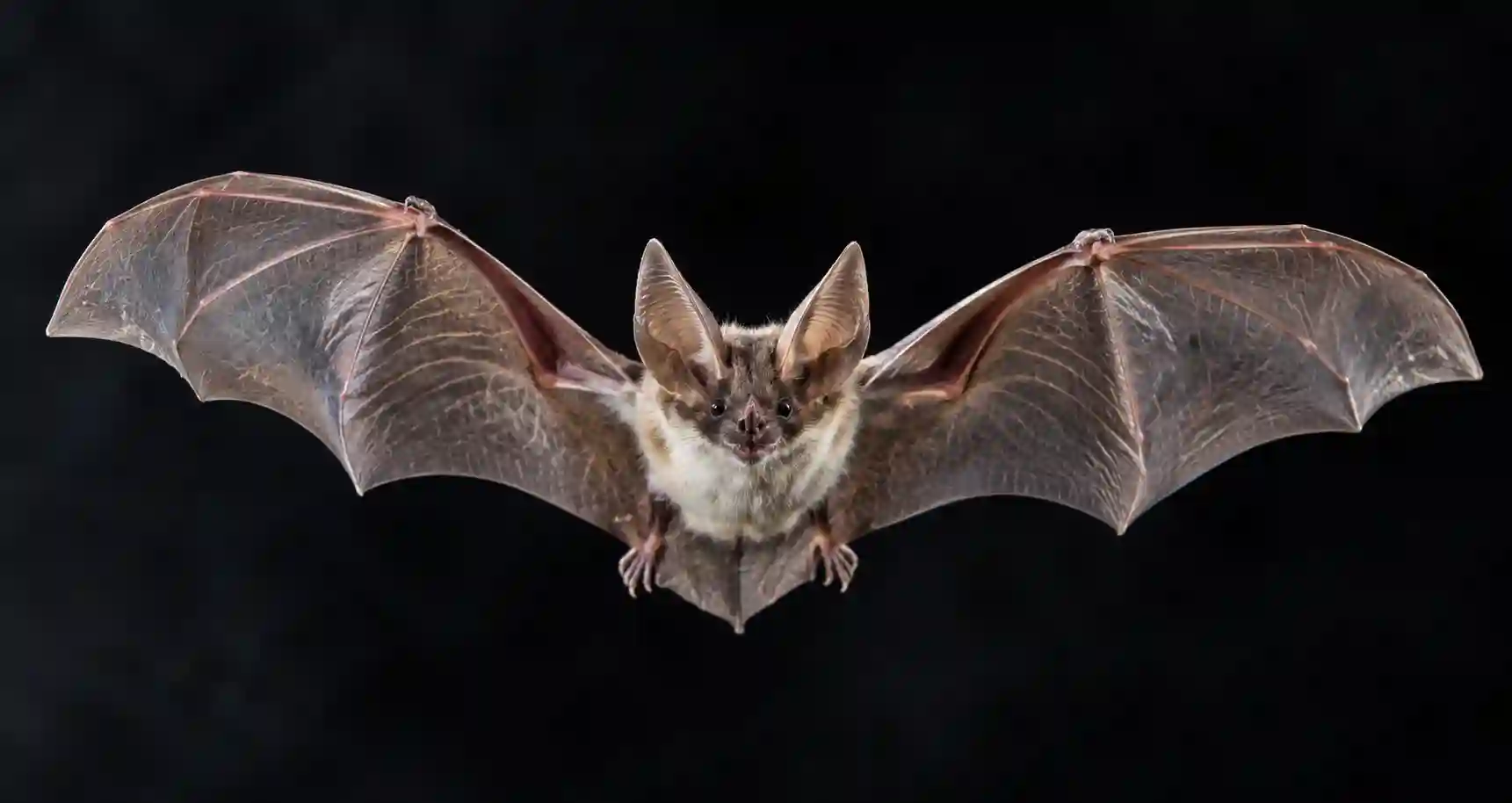

NEW YORK, Sept. 16, 2026 - Bats have inspired a superhero-style claim that sounds almost too good to be true: that they are “immune to cancer” and could somehow give humans the same protection.
The real science is more important than the myth.
Bats are not cancer-proof. Humans cannot currently acquire a bat-like cancer shield, and no credible experiment has created a “real-life Batman” who is immune to cancer.
What researchers have found is subtler. Some bat species live extraordinarily long lives for their body size while showing unusually strong defenses against cancer, DNA damage, chronic inflammation and some consequences of viral infection.
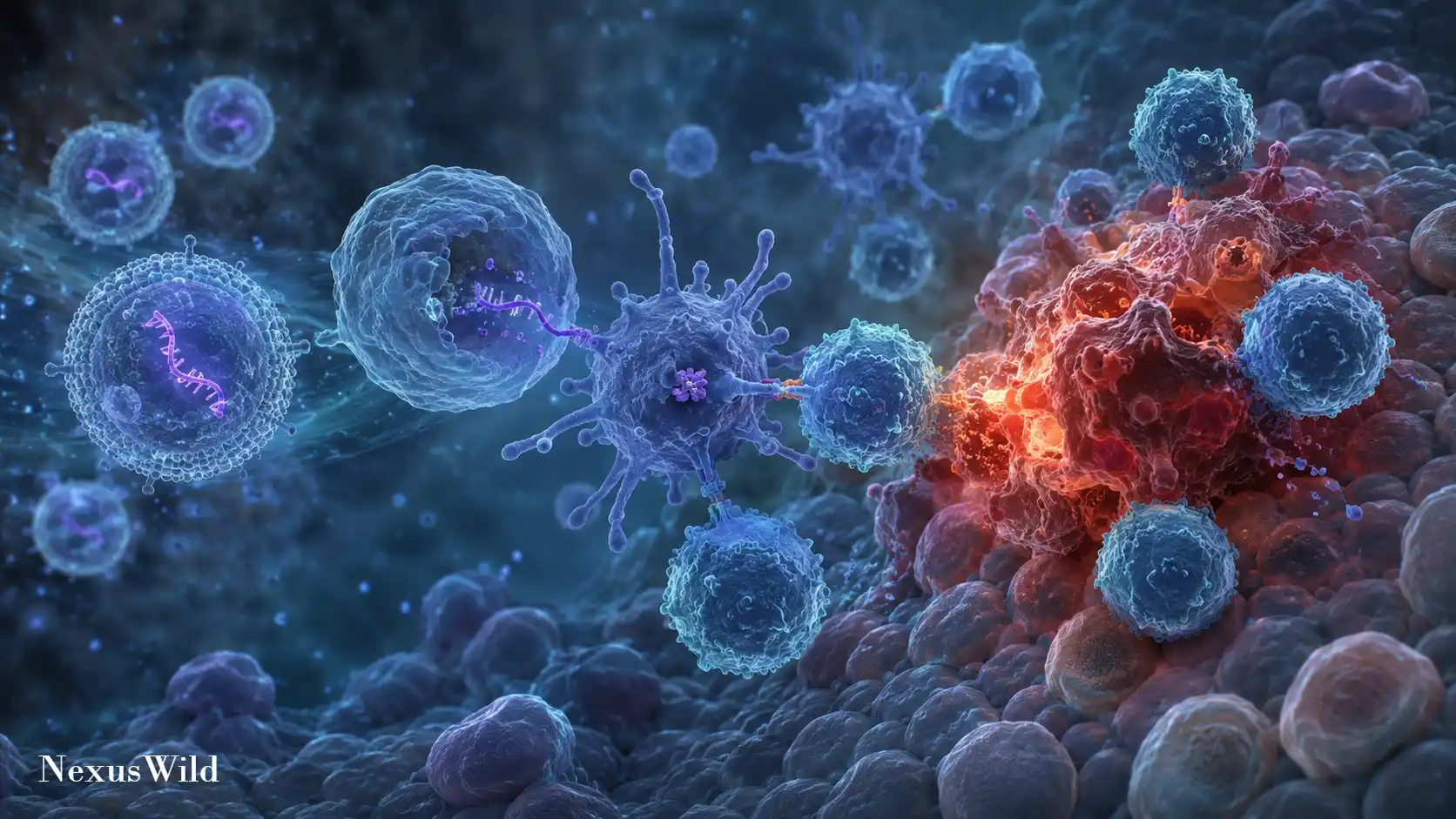
A major 2026 study of Myotis bats adds new evidence to that picture. Researchers generated near-complete genomes for eight closely related species and combined those data with experiments in bat cells. They found repeated evolutionary changes in pathways connected to longevity, cancer biology and immune defense.
The emerging idea is that bats may have evolved several protective systems together. The same pressures that shaped antiviral defenses and long life may also have strengthened the ability to control damaged or abnormal cells.
That does not provide a human cancer treatment today.
It does provide a powerful biological roadmap.
Why bats are biologically unusual
Most mammals follow a broad pattern: larger animals tend to live longer than smaller ones.
Bats repeatedly break that rule.
The 2026 Myotis study highlighted Myotis brandtii, which has a recorded maximum lifespan of about 42 years, while a closely related species, Myotis nigricans, has a maximum reported lifespan of about seven years.
The little brown bat, Myotis lucifugus, can live for more than three decades despite being a small mammal.
That creates a cancer paradox.
Long life normally gives cells more time to divide, accumulate damage and acquire mutations.
A small animal with a fast metabolism should also experience substantial cellular stress.
Yet several bat species show lower cancer burdens than would be expected from a simple lifespan model.
This fits a broader concept known as Peto’s paradox: across species, having more cells or living longer does not automatically produce proportionally more cancer because evolution can strengthen tumor-suppression systems.
The newest evidence comes from eight Myotis genomes
The 2026 study assembled near-complete genomes for eight Myotis species.
The genome assemblies were unusually complete, with an average of 98.6% of nucleotides placed into chromosome-scale scaffolds.
Researchers identified roughly 20,869 protein-coding genes with mammalian homologues per genome.
They then searched for evolutionary changes associated with longevity, cancer biology and immune defense.
The longest-lived lineages showed strong enrichment for cancer-associated pathways among genes that had undergone positive selection.
That matters because it suggests that as some bat lineages evolved longer lives, natural selection repeatedly acted on systems connected with cancer control.
The study also found that immune adaptation and longevity were closely connected.
Why long life should increase cancer risk
Every time a cell divides, DNA must be copied.
Errors can occur.
Damage can accumulate.
If enough growth-control systems fail, a cell can become malignant.
A long-lived animal therefore needs strong maintenance systems.
Bats face another challenge: powered flight.
Flight is metabolically intense and can generate oxidative stress, which can damage DNA and proteins.
Over millions of years, bats appear to have evolved unusually effective ways to deal with stress, DNA damage and inflammation.
Researchers increasingly suspect that these adaptations are interconnected.
Cancer resistance is not one gene
There is no single “bat cancer gene.”
Different species appear to use different combinations of defenses.
A 2024 study examined primary cells from seven bat species and found particularly strong resistance to malignant transformation in the big-footed bat, Myotis pilosus.
The researchers linked much of that resistance to reduced activity involving three genes: HIF1A, COPS5 and RPS3.
They also identified the loss of a regulatory enhancer near COPS5 that may contribute to reduced expression of that gene.
This was direct experimental evidence that at least one bat species has evolved cellular mechanisms that make malignant transformation harder.
But it does not mean every bat uses the same mechanism.
Another study found a surprising weakness
A 2025 study made the picture more complicated.
Researchers examined fibroblasts from four bat species, including Myotis lucifugus.
They expected the cells to be exceptionally difficult to transform.
Instead, the cells could be pushed toward malignant transformation with two major oncogenic changes: disruption of p53 or pRb pathways combined with activation of HRAS.
That sounds like a contradiction.
It is not.
The same study found strong anti-cancer features, including elevated p53-related signaling, stronger apoptosis after DNA damage and lower inflammatory secretory responses.
Myotis lucifugus also carries a genomic duplication of TP53.
The implication is that some long-lived bats may rely heavily on whole-body defenses such as immune surveillance, rapid elimination of damaged cells and inflammation control rather than making every individual cell impossible to transform.
Why p53 matters
TP53 is one of the most important tumor-suppressor genes in mammals.
Its protein product, p53, helps detect cellular stress and DNA damage.
If damage can be repaired, p53 can pause the cell cycle.
If damage is too severe, p53 can help trigger programmed cell death.
Cancer cells often disable or bypass this pathway.
In several bat studies, p53-related activity appears unusually strong.
That does not mean copying a bat TP53 gene into a human would make that person cancer-proof.
Genes operate inside networks.
Changing one pathway can create unintended effects elsewhere.
Evolution has balanced these systems over millions of years.
Viruses may be part of the cancer story
The 2026 Myotis research found that viral adaptation and cancer-related pathways appear to have evolved together.
The study showed different modes of adaptation to DNA and RNA viruses.
DNA-virus-interacting proteins showed unusually strong positive selection.
Genes interacting with RNA viruses showed more copy-number variation.
One important factor is EIF2AK2, also called PKR, a major innate antiviral protein.
Researchers found ancient copy-number variation involving PKR across Myotis lineages.
This suggests repeated viral pressure may have reshaped immune systems in ways that also affected aging, cellular stress and cancer defense.
Biologists call this pleiotropy: one genetic change influences multiple traits.
An antiviral adaptation can also change how a cell responds to DNA damage or abnormal growth.
Bats are not “immune to viruses” either
Another popular claim needs correction.
Bats are not universally immune to dangerous viruses.
They can become infected and can become ill.
What many bat species appear unusually good at is tolerating infection while limiting the damaging inflammation that causes severe disease in other mammals.
This may matter for cancer because chronic inflammation can promote tumor formation.
A system that controls infection without maintaining destructive inflammation for long periods may reduce one pathway that contributes to age-related disease.
That relationship is still being studied.
DNA repair may connect flight, aging and cancer
Flight puts extraordinary demands on metabolism.
During flight, oxygen consumption and energy use rise sharply.
That can increase oxidative stress.
Earlier genomic studies found positive selection in tumor-suppressor and DNA-repair genes across bats.
The newer Myotis work strengthens the idea that longevity, immunity and cancer control evolved together rather than independently.
A DNA-repair pathway can influence both aging and cancer.
An immune pathway can influence infection and tumor surveillance.
An inflammation pathway can shape viral disease and age-related tissue damage.
The unusual biology of bats may come from how several systems are coordinated at once.
Bats can live long without shutting down cell renewal
Cancer prevention has a built-in trade-off.
If cells never divided, cancer risk would fall.
But living tissues cannot work that way.
Skin must renew.
Blood cells must be replaced.
Injuries must heal.
A successful cancer-defense system has to distinguish healthy regeneration from dangerous growth.
Some bat cells maintain active telomerase and do not enter replicative senescence in the same way human cells do.
Yet the animals can still remain healthy for decades.
That suggests their cancer resistance is not built on one blunt barrier.
It likely depends on a balance of DNA repair, apoptosis, immune surveillance, inflammation control and tissue regulation.
What “cancer resistant” really means
Cancer resistance does not mean zero cancer.
It means developing less cancer than would be expected given an animal’s size, lifespan or cellular biology.
Even humans have strong tumor-suppression systems.
Most cells carrying dangerous mutations never become tumors.
Cancer develops when enough protective barriers fail.
Bats appear to have evolved additional or differently tuned barriers.
Those mechanisms are valuable because they reveal biological strategies that might one day inspire therapies.
Could bat biology lead to human cancer treatments?
Possibly.
The realistic outcome is not a superhero gene therapy.
It is the discovery of pathways that can be targeted safely.
If a bat suppresses a cancer-promoting pathway without damaging healthy tissue, scientists can investigate whether the equivalent human pathway can be influenced with a drug.
If bats eliminate damaged cells efficiently, researchers can study the signals controlling that process.
If their immune systems recognize abnormal cells effectively, that may inform cancer immunology.
If they control inflammation without losing antiviral defense, that could be relevant to inflammation-driven cancers.
Each idea still requires years of testing.
A finding in a bat cell is a research lead, not a treatment.
Why direct gene copying could be dangerous
Biology is networked.
Changing one gene can affect many processes.
Increasing cell death could reduce tumor risk but injure healthy tissue.
Altering immune signaling could trigger autoimmunity.
Changing growth pathways could interfere with wound healing.
Bat adaptations also evolved alongside thousands of other genomic changes.
A mechanism that is safe in a bat may not be safe in a human.
Comparative biology shows what is possible.
Clinical medicine has to determine what is safe.
There is no cancer-immune human
No credible evidence shows that a person has become immune to cancer by acquiring bat genes or bat-derived traits.
No approved therapy gives humans “bat powers.”
The Batman comparison is useful only as a metaphor for the scientific question.
Cancer is not one disease.
It is hundreds of diseases involving different tissues, mutations and immune environments.
Even a breakthrough in one pathway would not create universal cancer immunity.
Why Myotis is such a powerful natural experiment
The Myotis genus contains more than 100 species.
Closely related species can differ dramatically in maximum lifespan.
That gives researchers a useful comparison.
The animals share recent ancestry, but lifespan varies strongly.
Scientists can search for genomic changes that track with longevity without comparing two completely unrelated mammals.
The 2026 study found some of the most rapid lifespan increases among mammals within Myotis lineages.
Those same lineages also showed strong evolutionary signals in cancer-associated pathways.
That points researchers toward mechanisms worth testing directly.
The newest study changes the question
The research is moving away from asking which single mutation makes bats special.
The better question is how longevity, immunity and cancer resistance evolved together.
Longer lifespan creates pressure for better tumor suppression.
Viruses create pressure for stronger immune defenses.
Flight creates pressure for better stress tolerance and DNA maintenance.
A solution to one problem can influence another.
That is why bats are such powerful models.
Evolution has repeated different versions of the experiment across many species.
Scientists can compare the outcomes.
The medical opportunity is real, but early
New genomic resources make bat research much more powerful.
Researchers can compare near-complete genomes, culture primary cells, edit candidate genes and measure responses to DNA damage, viruses and oncogenic mutations.
That is far stronger evidence than simply observing that bats live a long time.
The next challenge is proving which adaptations actually cause protection and whether equivalent human pathways can be modified safely.
That process will take time.
The strict conclusion
The “real-life Batman” idea contains a scientific core, but not a superhero one.
Bats are not invulnerable to cancer.
Humans cannot currently borrow their biology and become cancer-proof.
What is real is more useful.
Some bats live for decades despite small body size and intense metabolic demands.
Several species show unusually strong cancer defenses.
Researchers have identified changes in tumor-suppressor pathways, DNA-damage responses, apoptosis, immune regulation and inflammation.
A 2026 genomic study of eight Myotis species now shows that longevity, cancer-related pathways and antiviral adaptation appear to have evolved together.
That makes bats one of nature’s most valuable models for understanding how a mammal can remain healthy for an unusually long time.
The eventual payoff may not look like Batman.
It could be a new drug target, a better prevention strategy, a more precise immune therapy or a way to protect healthy cells from age-related damage.
That is less cinematic than superpowers.
It is also real science.
Reader questions
Frequently asked questions
Are bats immune to cancer?
No. Bats can develop cancer. Some species appear unusually resistant relative to their lifespan and body size, which is why scientists study their tumor-suppression mechanisms.
Can humans become immune to cancer using bat genes?
No current treatment can make humans cancer-proof using bat genes. Bat biology may reveal pathways that eventually inspire drugs or therapies, but direct gene transfer would be medically complex and potentially dangerous.
Why are bats important for cancer research?
Many bats live far longer than expected for their small body size while maintaining relatively low cancer burdens. This makes them useful natural models for studying tumor suppression, DNA repair, immunity and aging.
What did the 2026 Myotis study discover?
Researchers sequenced near-complete genomes from eight Myotis species and found that extreme longevity is associated with evolutionary changes in cancer-related pathways, DNA-damage responses and immune systems shaped by viral interactions.
What is special about TP53 in some bats?
TP53 encodes the tumor-suppressor protein p53. Research has found elevated p53-related activity in several bat species, and Myotis lucifugus has a genomic duplication of TP53.
Which bat species has direct experimental evidence of cancer resistance?
A 2024 study found particularly strong resistance to malignant transformation in Myotis pilosus, the big-footed bat, with HIF1A, COPS5 and RPS3 implicated in the mechanism.
Are bats immune to viruses?
No. Bats can be infected and can become ill. Many species are unusually tolerant of certain infections and appear able to control viruses while limiting damaging inflammation.
Could bat research lead to human cancer treatments?
Potentially. Researchers hope that studying bat tumor suppression, DNA repair, apoptosis and immune surveillance will reveal human pathways that can be targeted safely, but these discoveries are still research findings rather than approved cancer treatments.
Nexuswild welcomes factual corrections. Email [email protected] with evidence and the article URL.